"Absolute game changer for summer. I live in Queensland and the mozzies were unbearable — installed this in ten minutes flat and haven't been bitten since. Love it!"
Brisbane, Australia
Premium magnetic window and door screens delivered globally. Tool-free installation, hands-free entry, and serious insect protection — wherever you are in the world.
Global Network
We operate dedicated local stores across the globe so you always get the fastest delivery, local pricing, and region-specific customer support.
Why Choose Us
Designed for real life — not just for show. Here's what sets our screens apart.
Our fine-mesh screens keep out mosquitoes, flies, moths, midges and other pests — while allowing clean fresh air to circulate freely through your home.
Strong neodymium magnets snap the screen closed automatically after you walk through. No fumbling with zips or latches — perfect when your arms are full.
No tools, no drilling, no permanent damage to your door frames. Our adhesive hook-and-loop mounting system attaches quickly and removes cleanly when needed.
Standard doors and non-standard openings alike — we offer screens in a wide range of sizes. Contact us if you need something specific and we'll sort it out.
We ship to Australia, UK, USA, Canada, Ireland, New Zealand, Singapore and dozens more countries. Order from your local country store for the best experience.
Soft mesh that won't harm curious paws or tiny fingers. The magnetic closure is strong enough to stay shut but gentle enough for children and small pets to push through safely.
Product Details
Every magnetic screen ships complete and ready to install right out of the box.
Social Proof
Thousands of happy households across the globe — here are a few of their stories.
"Absolute game changer for summer. I live in Queensland and the mozzies were unbearable — installed this in ten minutes flat and haven't been bitten since. Love it!"
"Brilliant product. Fits perfectly on our patio door and our dog pushes straight through without a second thought. The magnets snap it closed immediately. Very impressed."
"I ordered for our home in Dublin. Arrived fast and looked exactly as described. No more midges flying in every time we open the back door. Fantastic value."
"Best thing I've bought all year. We live in Singapore where insects are non-stop. These screens have transformed our living room — fresh air all day, zero bugs."
"Ordered from the New Zealand store and it arrived within days. Really easy to put up and looks great. The whole family can use it without thinking — even the kids."
"I was skeptical at first but this is genuinely one of the most useful things I've ever bought for the house. Fast US shipping, works perfectly on our porch door."

Our Beloved Company Mascot
Chief Napping Officer • Bug Screen Enthusiast • Professional Dreamer
Every great company needs a soul. Ours has four paws, a permanently squished face, and an Olympic-level talent for sleeping through absolutely everything. Meet Fifi — our beloved French Bulldog and the most important member of the team. Officially, her title is Chief Napping Officer. Unofficially, she runs this place.
Fifi has held every senior position at Magnetic Screens Company — simultaneously — all while asleep. We didn't appoint her. She just showed up, claimed the office ottoman, and we didn't have the heart to argue.
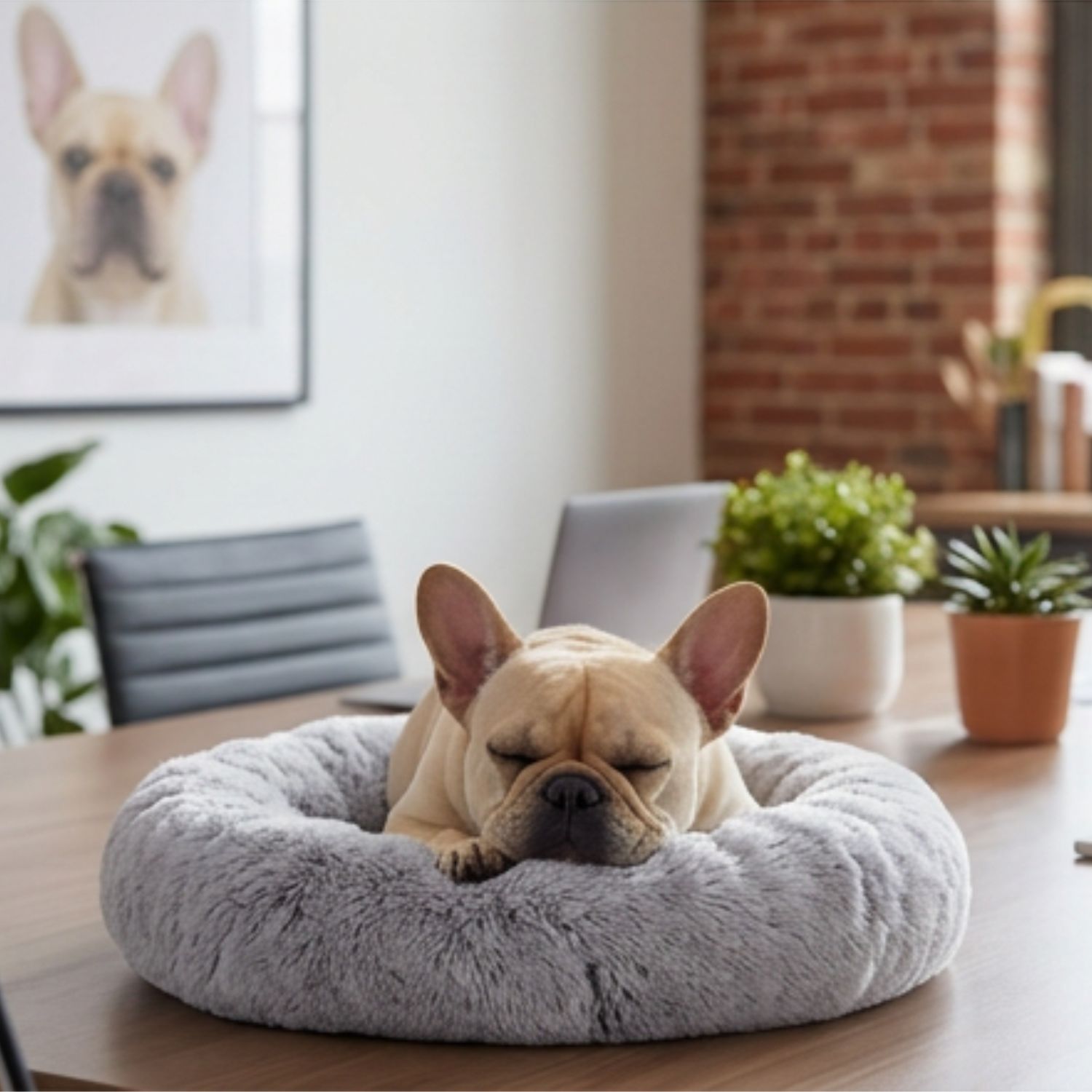
Fifi leads from the front — specifically, from the front of her fluffy donut bed, positioned squarely in the middle of the office. She has never once been awake for a board meeting, and honestly, things run smoother for it. Her leadership philosophy: "If it ain't broken, nap on it."
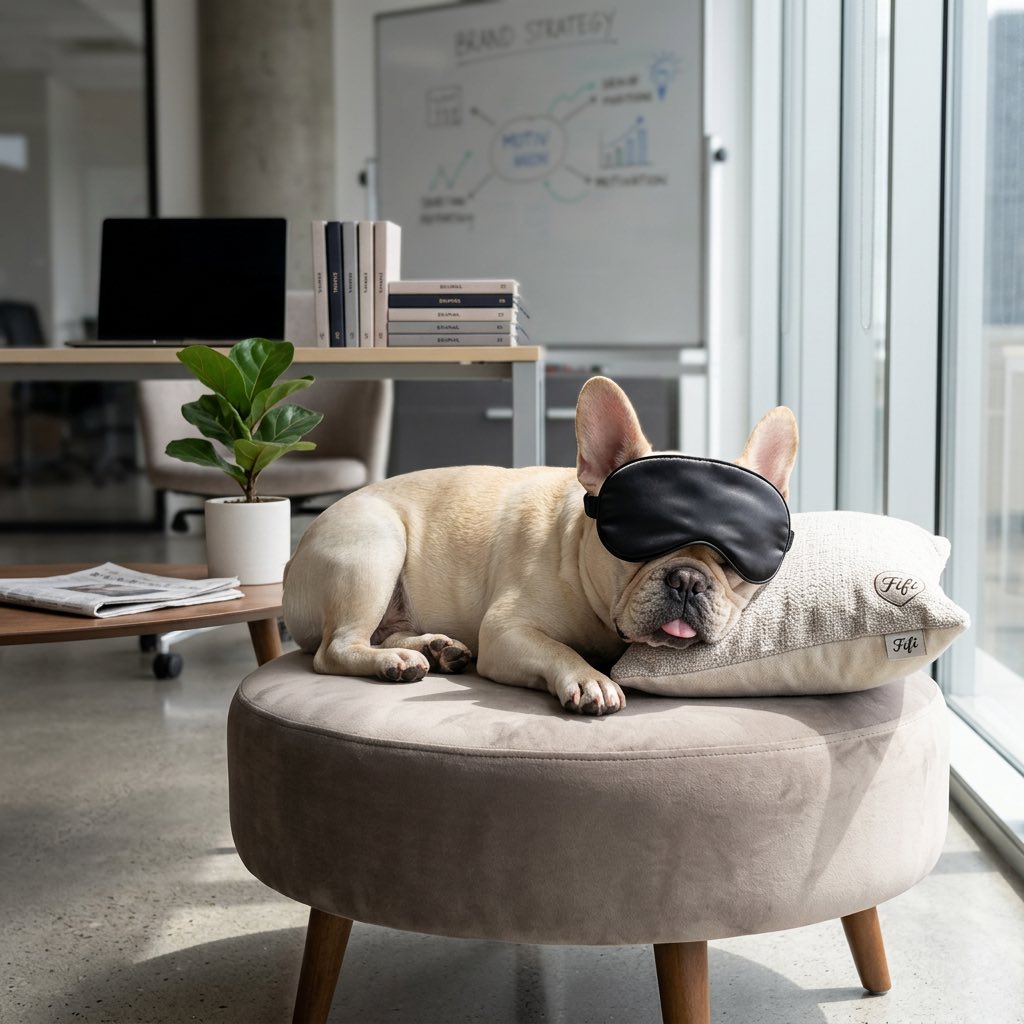
Fifi personally evaluates every magnetic screen by sleeping next to an open door and confirming that zero bugs disturb her slumber. If she snores through the night undisturbed, the product passes. She has rejected exactly zero products to date. Her standards are impeccably comfortable.
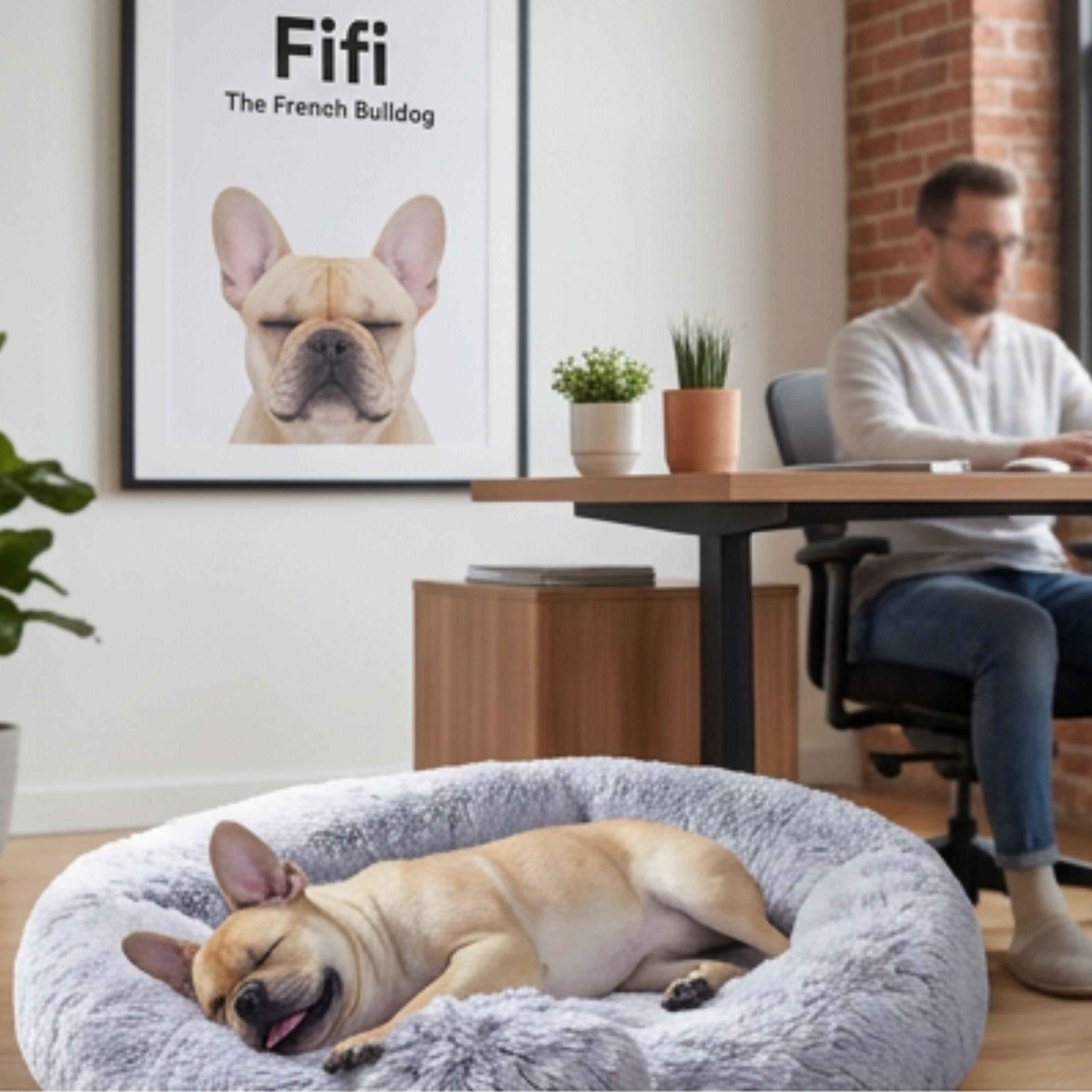
Fifi oversaw the entire development of this website from her premium padded workstation (the office ottoman). She reviewed zero lines of code personally, but was present for all of it — technically. Her feedback on every design decision was a gentle snore, which we interpreted as approval.

Fifi has pioneered an entirely new approach to workplace productivity — she calls it Pawductivity. The core principle: the less you move, the more energy you conserve for important tasks later. So far, "later" has not arrived. The team has adopted her methods with mixed results.
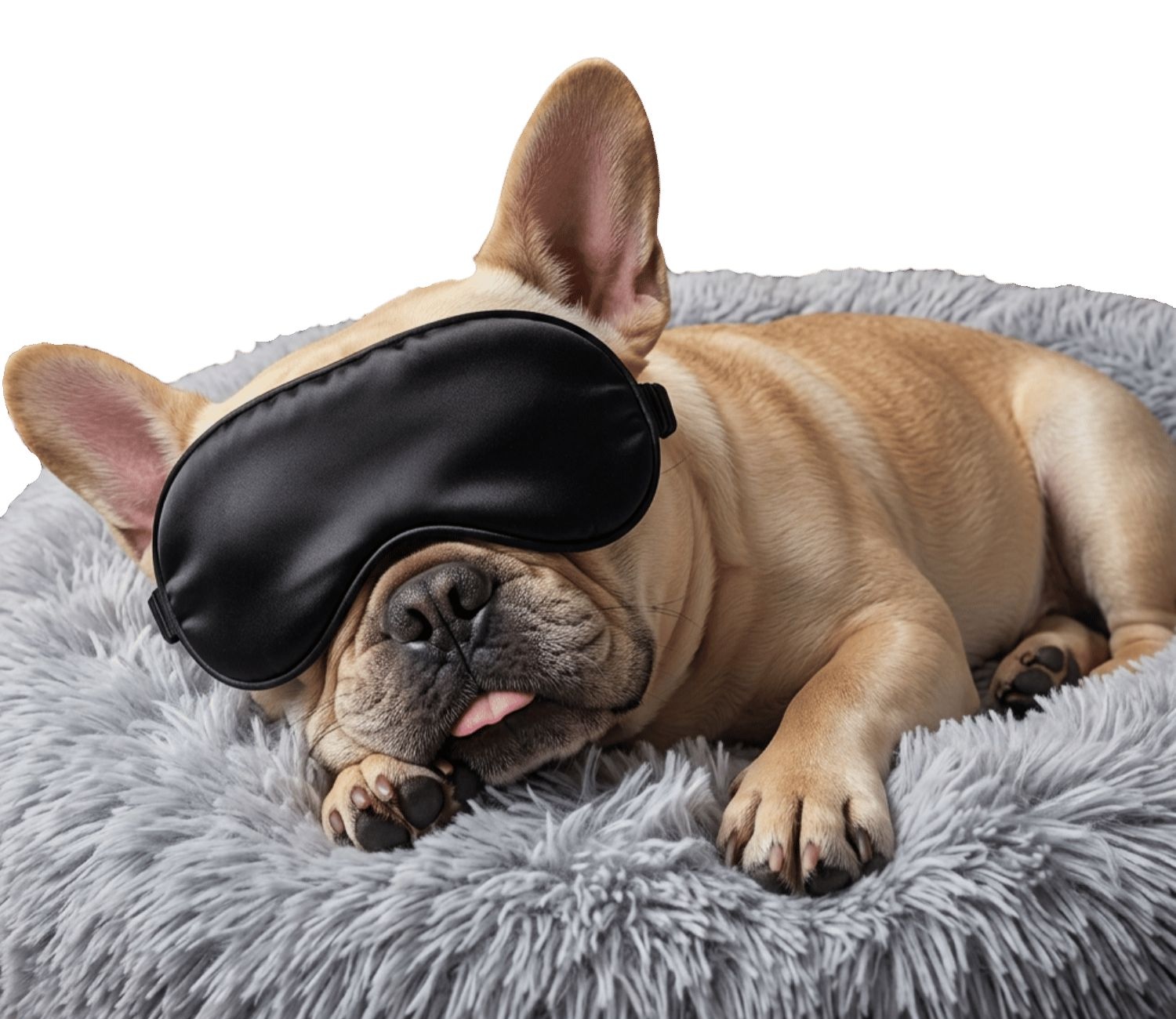
Once a month, Fifi visits the warehouse. She walks in, locates the softest surface available, and sleeps for four hours. The warehouse team takes this as a sign that all is well. They have never been wrong. Fifi's warehouse inspection process has a 100% accuracy rate and a 0% awake rate.
"Zzzzzzzz."
— Fifi, Chief Napping Officer
Dictated but not read (she was asleep)
We think what she meant to say was: fresh air is important, bugs are not welcome, and our magnetic screens let you have one without the other. Fifi approves this message. Probably.
Every product on this site carries Fifi's unofficial Paw of Approval — awarded automatically to anything that allows fresh air in while keeping insects out, thereby protecting her sleep. She takes bug prevention very seriously. Mostly because mosquitoes wake her up.
Fifi. The French Bulldog. The Legend. The Napper.
Got Questions?
Everything you need to know before you buy — answered clearly and honestly.
Yes — magnetic screens are genuinely effective at blocking mosquitoes, flies, moths, midges and other common insects. The fine polyester mesh is sized small enough to stop pests while allowing unrestricted airflow. Strong neodymium magnets along the centre seam ensure the screen snaps fully closed every time you pass through, so there's no gap left for insects to enter.
Very straightforward. Magnetic screens mount using adhesive hook-and-loop tape along the door or window frame — no drilling, no tools, no permanent damage. Most customers complete the full installation in ten to fifteen minutes. The tape bonds firmly to wood, metal and most painted surfaces, and can be removed cleanly when you no longer need the screen.
Magnetic screens are available in a wide range of standard sizes to suit most doors and windows. We also offer custom sizing for non-standard openings. If you're unsure, simply measure the width and height of your doorway or window opening and contact our team — we'll point you to the right product.
Absolutely. The soft mesh material won't scratch paws or fingers, and the magnetic closure uses enough force to seal reliably but not so much that it's difficult for children or small pets to push through. Thousands of families with dogs, cats and young children use our screens every day without issue.
Magnetic closures are significantly more convenient than zip or velcro-style screens. You simply walk through and the screen seals behind you automatically — no hands required. This is especially useful when carrying shopping, moving furniture or when children and pets rush in and out. Magnets also last longer than velcro, which tends to collect lint and lose grip over time.
Yes — we deliver worldwide. We have dedicated country websites for Australia, UK, USA, Canada, Ireland, New Zealand, Singapore and many other countries. Ordering through your local country store ensures you get the right pricing, payment options and fastest delivery for your region. Visit the Shop by Country section above to find your store.
Delivery times vary by country. Most orders within major English-speaking markets arrive within five to ten business days. Some regions may experience slightly longer shipping times due to customs or carrier schedules. Your local country store will display estimated delivery windows at checkout so you know exactly what to expect.
We want you to be completely happy with your purchase. If your screen arrives damaged or defective, please contact us with photos and we will resolve the issue promptly. Please review the full details on our Shipping and Returns page, as conditions may vary slightly by country store. Generally, unused items in original packaging may be returned within a reasonable timeframe.
Yes — we offer screens wide enough to span double-door openings. The centre-seam magnetic closure works especially well on double doors because it lets two people or a wider load pass through simultaneously before automatically sealing again. Simply select the correct width when ordering or contact us if you need guidance.
The polyester mesh is easy to maintain. For light dust and pollen, a gentle shake or a soft brush is all you need. For more thorough cleaning, remove the screen from the frame and hand wash in cool water with mild detergent, then hang to dry fully before re-attaching. Avoid machine washing or harsh chemicals, which can weaken the mesh fibres over time.
Not significantly. Our fine mesh allows generous airflow while maintaining its insect-blocking properties. You'll notice a very slight reduction compared to a completely open doorway, which is unavoidable with any screen product, but most customers report that fresh air circulation feels completely natural in normal conditions.
Yes. Magnetic screens are designed for everyday use in busy households. The reinforced polyester mesh resists tearing, and the magnets are rated for thousands of open-and-close cycles. With basic care, a quality magnetic screen will last several seasons in regular use.
In light to moderate breezes, the screen moves gently but the magnetic seam typically holds. In very strong winds, the screen may billow — this is normal. If your location experiences consistently high winds, we recommend additionally securing the screen edges with thumbtacks or weighting the hem, both of which are compatible with our screens.
Measure the full width and height of your door or window opening from frame to frame, not just the glass or the door leaf. You want the screen to overlap slightly onto the frame on all sides for the best seal. When in doubt, go a little larger — the hook-and-loop tape can be trimmed to fit and the mesh can be folded. If you're still unsure, email us with your measurements and we'll advise.
Yes — magnetic screens work well on windows, particularly casement and sash windows that open wide. The installation method is identical: adhesive hook-and-loop tape applied around the window frame, with the screen hanging inside. Window screens tend to be left in place rather than walked through, so the magnetic closure is less critical but still useful for easy removal when you want to close the window.
Magnetic screens have several advantages over traditional rigid fly screens. They're easy to install without tools or permanent fixtures, they allow hands-free passage, they're portable, and they can be taken down and stored in seconds. Traditional framed screens offer slightly higher durability and are better suited to permanent installation in a fixed property — so the best choice depends on your situation.
Magnetic screens are very popular with caravan and motorhome owners because they're lightweight, compact, and don't require permanent installation. They work well on standard-sized caravan doors and windows. If your vehicle has an unusual or non-standard door size, contact us with measurements and we can advise on the best option.
Yes — this is one of the best features of magnetic screens. Simply peel the screen away from the hook-and-loop tape on the frame, fold it neatly, and store it away. The tape remains on the frame for next season. Reinstalling takes just a few minutes. Many customers store theirs over winter and reinstall each spring.
If you have an existing screen door frame with damaged or missing mesh, a magnetic screen can work as a practical replacement. For frames with intact mesh, a magnetic screen can be layered in front for a secondary hands-free barrier, which some customers prefer in areas with heavy insect pressure.
Each country store charges in the local currency for that market. For example, the Australian store charges in AUD, the UK store in GBP, the US store in USD and so on. This makes pricing transparent and avoids unexpected conversion fees. Visit your country's store via the Shop by Country section for accurate local pricing.
All transactions on our country stores are processed through reputable, encrypted payment gateways. We do not store payment card details on our servers. Your personal and financial information is handled securely at every step of the checkout process.
Magnetic Screens Company is a division of Caruso Consulting Co Ltd, a registered business with VAT ID 0765554000332, based in Phetchaburi, Thailand. We operate a global network of country-specific online stores to serve customers worldwide with the best local experience possible. You can reach us by email at [email protected] or by phone at +66 098 391 3877.
Yes — magnetic screens are widely used in tropical and subtropical climates, including Australia, Singapore, Thailand and the Middle East, where heat and insects are a constant challenge. The mesh breathes freely to maximise airflow, and the neodymium magnets maintain their strength reliably in normal temperature ranges. Direct prolonged UV exposure can fade the mesh over time, so storing the screen during periods of non-use extends its life.
Yes — custom sizing is available. If your door or window doesn't match a standard size, email us with the exact measurements (width and height) and we'll arrange a screen made to your specifications. Custom orders may have longer lead times than standard sizes, so please allow extra time when ordering.
Yes — the fine mesh keeps out all common flying insects, including house flies, blowflies, moths, gnats, midges and mosquitoes. The mesh aperture is sized specifically to exclude insects while maintaining good airflow. Larger insects such as wasps and beetles are also blocked, though these are generally easier to deter anyway.
The magnets are positioned in alternating polarity along both edges of the centre seam, so they attract each other naturally and pull the seam into alignment even if the screen moves off-centre slightly as you walk through. This self-aligning design means the screen closes properly even when you don't walk through it perfectly straight.
Not when used correctly. The adhesive hook-and-loop tape is designed to hold firmly during use but peel away cleanly without leaving residue or lifting paint on properly prepared surfaces. We recommend testing a small piece in an inconspicuous spot first if you have freshly painted, delicate or unusual frames. Thumbtacks can be used as a non-adhesive alternative on timber frames.
Yes — our customer support team is reachable by email at [email protected] and by phone at +66 098 391 3877. We aim to respond to all enquiries within one business day. Whether you have a pre-purchase question, need installation advice or want to follow up on an order, we're happy to help.
For protecting your home interior, a physical barrier like a magnetic screen is generally preferable to chemical repellents. Screens are non-toxic, odourless, require no electricity, produce no smoke or fumes, and work continuously without needing to be reapplied. They're particularly good for families with young children, pregnant women, or anyone sensitive to chemicals.
Yes — ordering multiple screens at once is common and straightforward. Many customers outfit their entire home — front door, back door, patio, garage and windows — in a single order. Your country store will allow you to add multiple items to your cart before checkout. If you need a bulk order or have a commercial requirement, contact us directly and we'll assist.
Registered Business
We operate with full transparency. Below are our registered company details for your confidence and peace of mind.
Get in Touch
Questions about a product, order or delivery? Our team is here to help. Reach us directly — no web forms, just real people.
Find your country store, choose your screen, and enjoy fresh air without the insects. Fast worldwide delivery available.
Shop by Country